
Lovable vs Bolt: Which AI App Builder Should You Actually Use?
Lovable vs Bolt, compared honestly: how their pricing actually differs, where each wins, and the team-pricing gap most comparisons miss.
Start for Free
In short
Choose Bolt for speed and code control — it's browser-based and its free tier is genuinely usable. Choose Lovable if you want the backend, auth, and database scaffolded for you. Both cost $25/month to start, but Lovable's team pricing is flat and shared, while Bolt charges per member.
Key takeaways
- Bolt is faster and browser-based; Lovable does more of the backend work for you (auth, database, deployment).
- Entry pricing is identical at $25/month monthly ($21 Lovable / $18 Bolt annually) — but they meter differently: Lovable by action complexity, Bolt by token/codebase size.
- For teams, the gap is large: a 4-person team pays $50/month on Lovable vs $120/month on Bolt.
- Neither tool distinguishes debugging from building — fixing a bug costs the same as shipping a feature.
- Bolt is retiring its v1 agent on August 3, 2026; existing projects auto-switch to Bolt Agent with chat history intact.
- If you're building a business website rather than an app, a dedicated website builder (like OhhWells) is usually cheaper and simpler than either tool.
The short answer
Choose Bolt if you want speed and control of your own code. It runs in your browser, generates fast, and deploys wherever you like. Its free tier is genuinely usable.
Choose Lovable if you're non-technical and want more of the plumbing done for you. It scaffolds a database, authentication and backend alongside the interface, so there's less left to figure out afterwards.
The pricing difference matters more than the feature difference. Both charge $25/month at the entry paid tier, but they meter you differently — and for teams, the gap gets large. More on that below.
What each one actually is
Bolt is made by StackBlitz and runs on WebContainer technology — a full Node.js development environment that executes in the browser without backend servers. You describe an app, it generates React code in real time with live previews, and nothing installs locally. That client-side architecture is why it's the fastest of the two — there are no round-trips to cloud servers.
Lovable takes a fuller-stack approach. You describe what you want in plain language and it generates a working React app with a Supabase backend, authentication, database schema and deployment in minutes. It has become the larger product by some distance: as of mid-2026 it reports 8M+ registered users and a $6.6B valuation, and was named one of TIME's most influential companies of 2026. Bolt is no minnow either — StackBlitz reported 5 million registered users, with ARR going from zero to $40M in roughly five months.
Pricing, side by side
The difference that actually costs you money
They look identical at $25. They aren't, because they meter different things.
Lovable charges by action complexity. Its own documentation gives illustrative examples: a styling tweak at 0.50 credits, removing a component at 0.90, authentication logic at 1.20, and a full landing page with generated images at 2.00. So your bill tracks how much you fiddle.
Bolt charges by tokens, and token costs scale with project complexity and codebase size, not just how many times you interact. So your bill tracks how big your project gets. The same small tweak costs more on a large codebase than a small one.
In practice: if you build something small and iterate on it endlessly, Lovable's model will hurt more. If you build something large and touch it occasionally, Bolt's model will.
And in both cases, fixing a bug costs the same as building a feature. Neither distinguishes between productive work and going round in circles. That's the single most common complaint about this whole category, and it's worth understanding before you commit to either.
The team-pricing gap
This one is easy to miss and it's large.
For paid tiers both cost $25/month at entry, but Lovable's team pricing is flat and shared while Bolt's is per member — and the gap holds at both billing cycles.
Do the maths for a team of four, billed monthly:
- Lovable Business: $50/month total
- Bolt Teams: $120/month
Billed annually, the gap narrows slightly but doesn't close:
- Lovable Business: $42/month total
- Bolt Teams: $108/month
At ten people, monthly: $50 versus $300. Annually: $42 versus $270. If you're building alone this is irrelevant. If you're a small team, it's the biggest number on this page.
The Cloud and AI allowance, explained
Worth knowing before you budget. Lovable bills build, hosting, and AI usage from one shared credit balance rather than tracking them separately. Every workspace — Free, Pro, or Business — gets a monthly grant of 20 credits for Cloud usage (hosting, database, storage, bandwidth) and 4 credits for AI gateway usage (AI features running inside your deployed app), on top of whatever you spend building. These grants are used up before your general credits are touched.
For most small projects, that allowance covers hosting and AI comfortably. Past it, Cloud and AI usage starts drawing from the same general credit pool you use for building — so a busier live app can quietly eat into the credits you'd otherwise spend on further edits.
Where each one genuinely pulls ahead
Bolt wins on
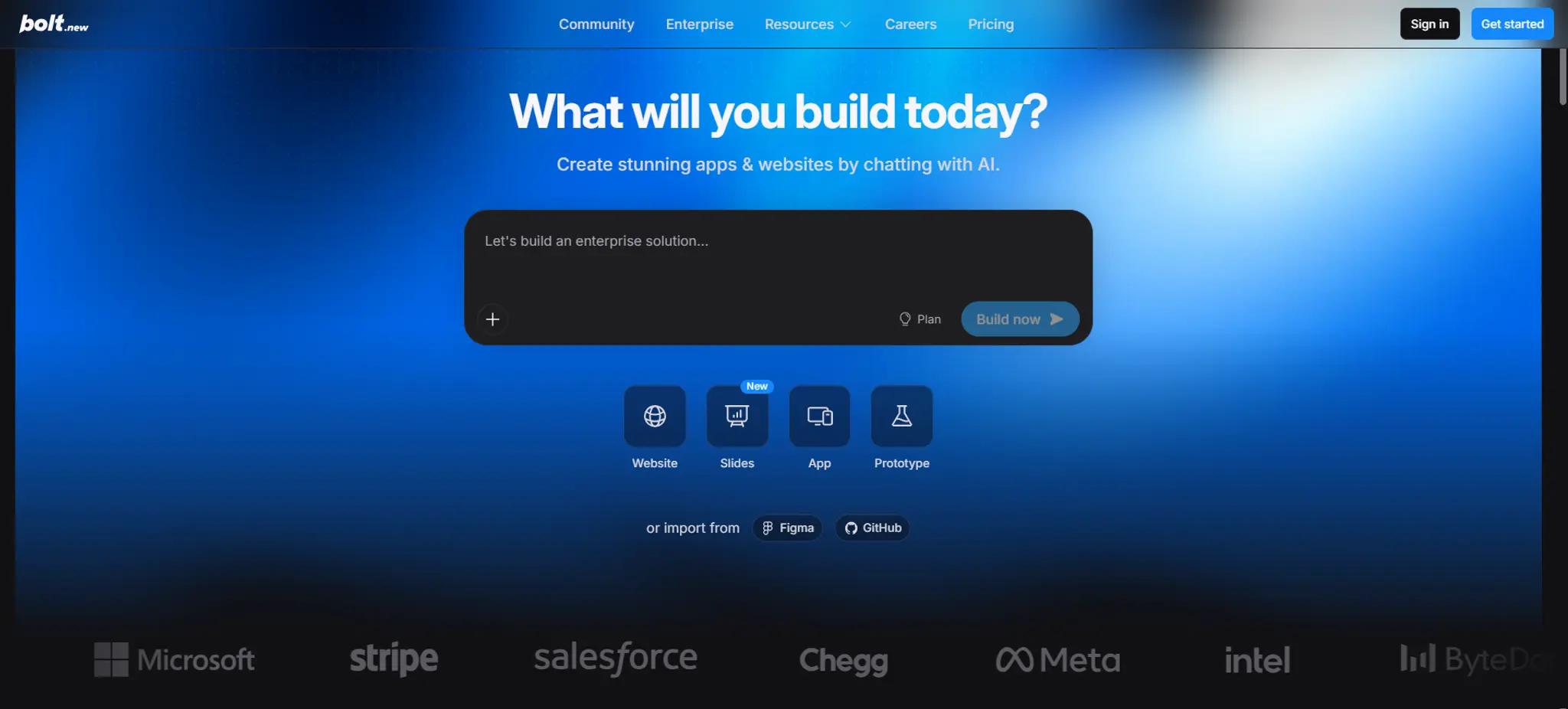
- Raw speed. The browser-based architecture makes it the fastest to generate and preview.
- A properly usable free tier. 1M tokens per month with a 300K daily limit, no credit card required — you can build something real before paying.
- Deployment freedom. One-click deploy to Netlify, Vercel or StackBlitz, so you're not locked to one host.
- Developer-friendliness. If you can read the code it generates, you'll get more out of Bolt.
Lovable wins on
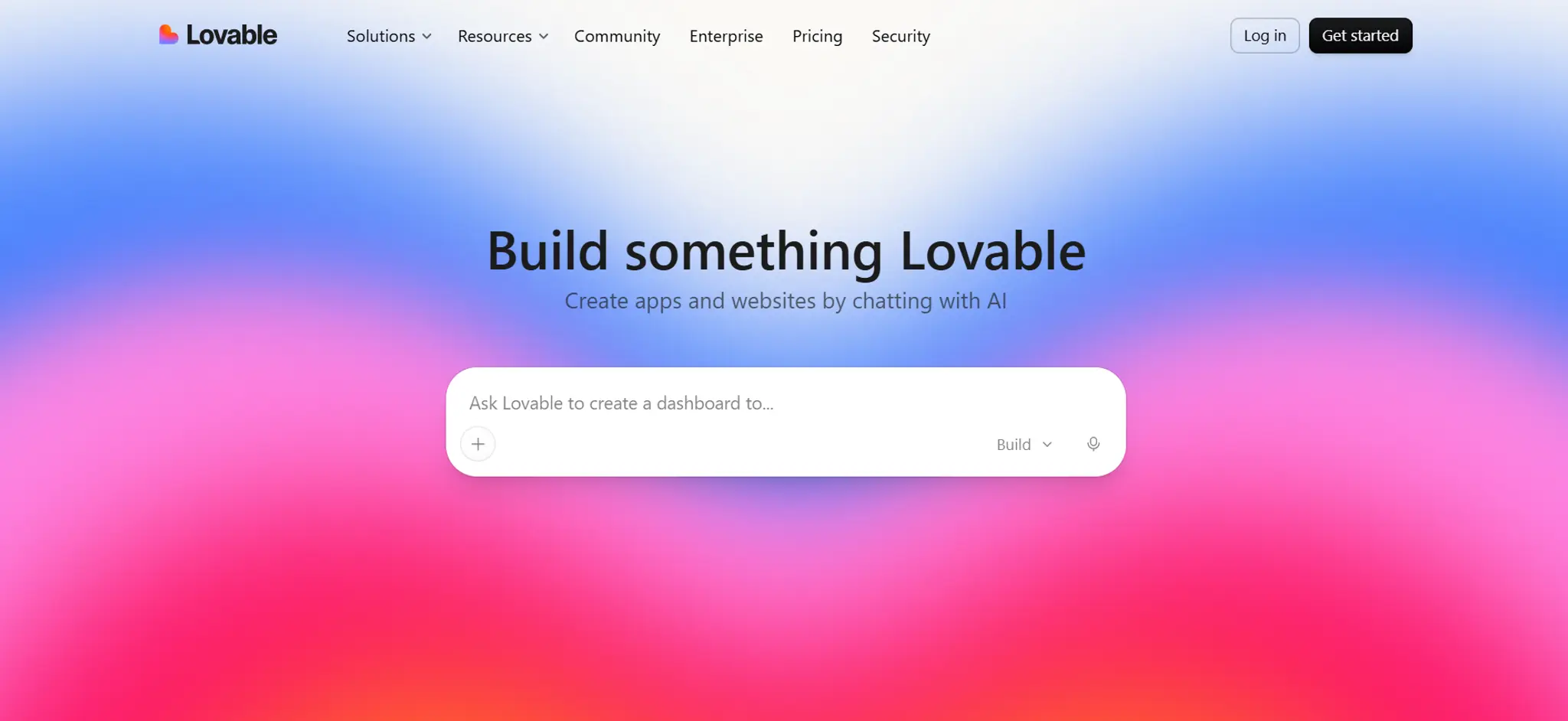
- Less left to do afterwards. The backend, auth and database come scaffolded rather than as an exercise for the reader.
- Team economics. As above — a shared workspace price versus per-seat.
- Escape hatch. GitHub sync is on all plans, and editing locally then pushing back costs nothing — a genuinely good way to stop burning credits on small changes.
One time-sensitive thing if you're already on Bolt
Bolt is retiring the v1 agent on August 3, 2026. Remaining v1 projects will automatically switch to Bolt Agent (Standard, or Max if you choose) — your chat history, files, and live site all carry over untouched. If you're still on v1, you can switch manually beforehand and pick your agent rather than have it assigned for you.
Not a reason to avoid Bolt. It is a reason to plan the migration rather than have it happen to you.
How to choose, in one paragraph
If you're technical and want speed, Bolt. If you're non-technical and want fewer loose ends, Lovable. If you're a team of three or more, Lovable's pricing model will save you real money regardless of the other considerations. If you're not sure, both free tiers are usable — Bolt's more so — and an afternoon on each will tell you more than any comparison article, including this one.
A third possibility worth naming
Both of these tools are app builders. They're built for people making software — a dashboard, a marketplace, a SaaS product, an internal tool.
A lot of people arrive at them wanting something different: a business website. A studio site with a class timetable and online booking. A clinic site that takes appointments. A portfolio that sends enquiries somewhere useful.
You can build that in Lovable or Bolt. People do. But you'll be paying a metered rate to maintain something that doesn't change much, and you'll have to solve booking, forms, hosting and email yourself. That's a lot of ongoing work for a five-page site. Both tools produce the same default look out of the box; see why AI websites look the same for the fix.
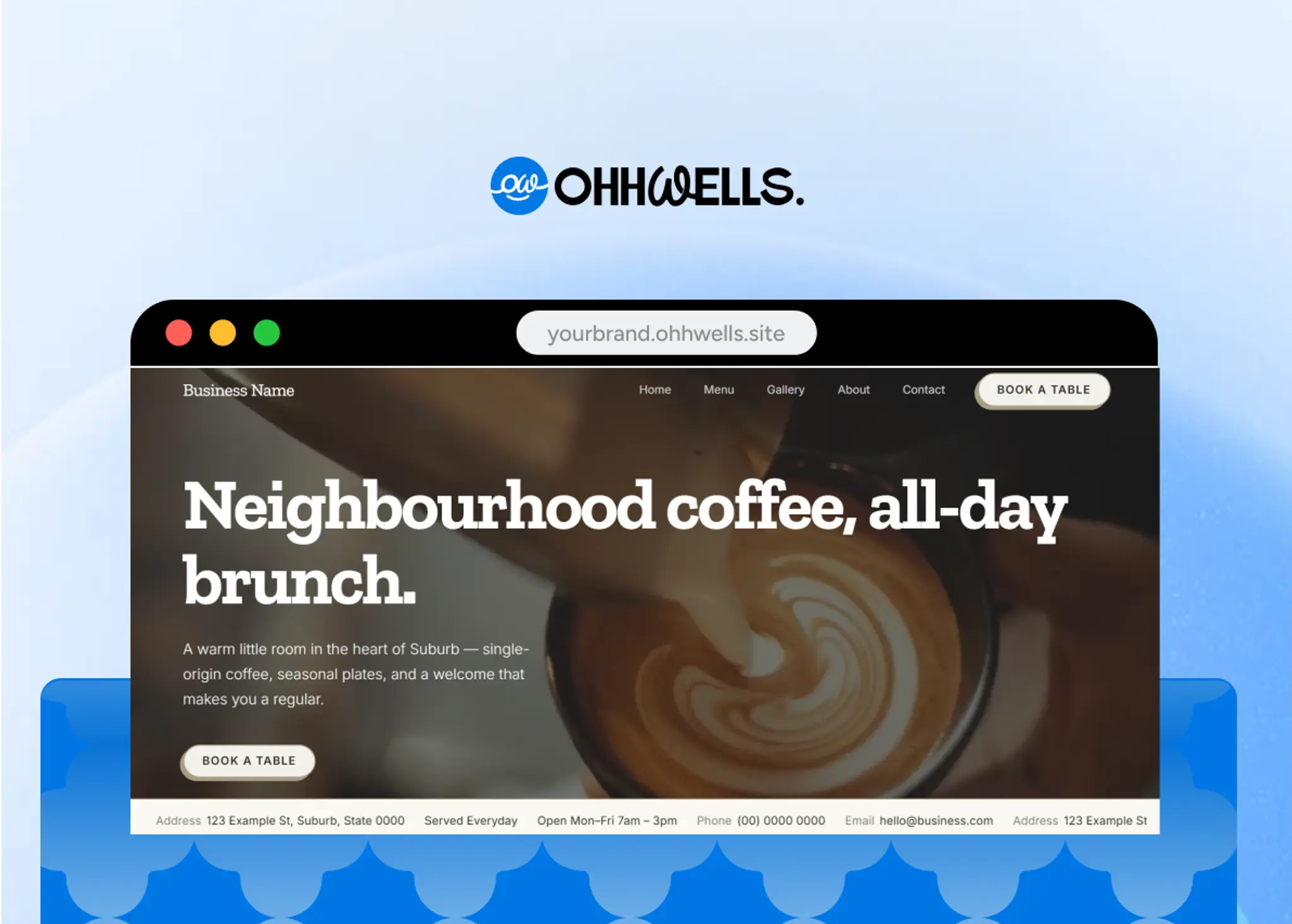
If that describes what you're actually after, a website builder is the cheaper and quieter answer — OhhWells is ours, and it's free to build with, though so are several others worth looking at. The honest test is simple: if your project is mostly pages, use a website builder. If it's mostly logic, use one of the two tools above.
Frequently asked questions

Keep reading
Can You Build a Website with Canva? Yes — Here's What It's Good For and When You'll Outgrow It
Yes, you can build a website with Canva. Here's what it does well, where it stops for a business, and when to move to a website builder.
Best Website Builders for Event Registration (2026): Webinars, Workshops and Seminars
We compared OhhWells, Wix, Squarespace and 5 more tools for webinar, workshop and seminar registration — here's which one actually fits a small business.
Best Free AI Website Builders in 2026 (and What "Free" Actually Gets You)
Five free AI website builders compared on what matters: can you publish, use your own domain, and what happens when credits run out.
The State of Small Business Websites in Southeast Asia 2026
67% of small businesses we met have no website. The 33% that do score 37/100. Here's how to do better either way.
OhhWells vs. The Field: Agency Website Platform Price & Value Comparison
How OhhWells compares on price and value against GoHighLevel, Webflow, WordPress, Wix Studio, and Brizy — one table, every platform.
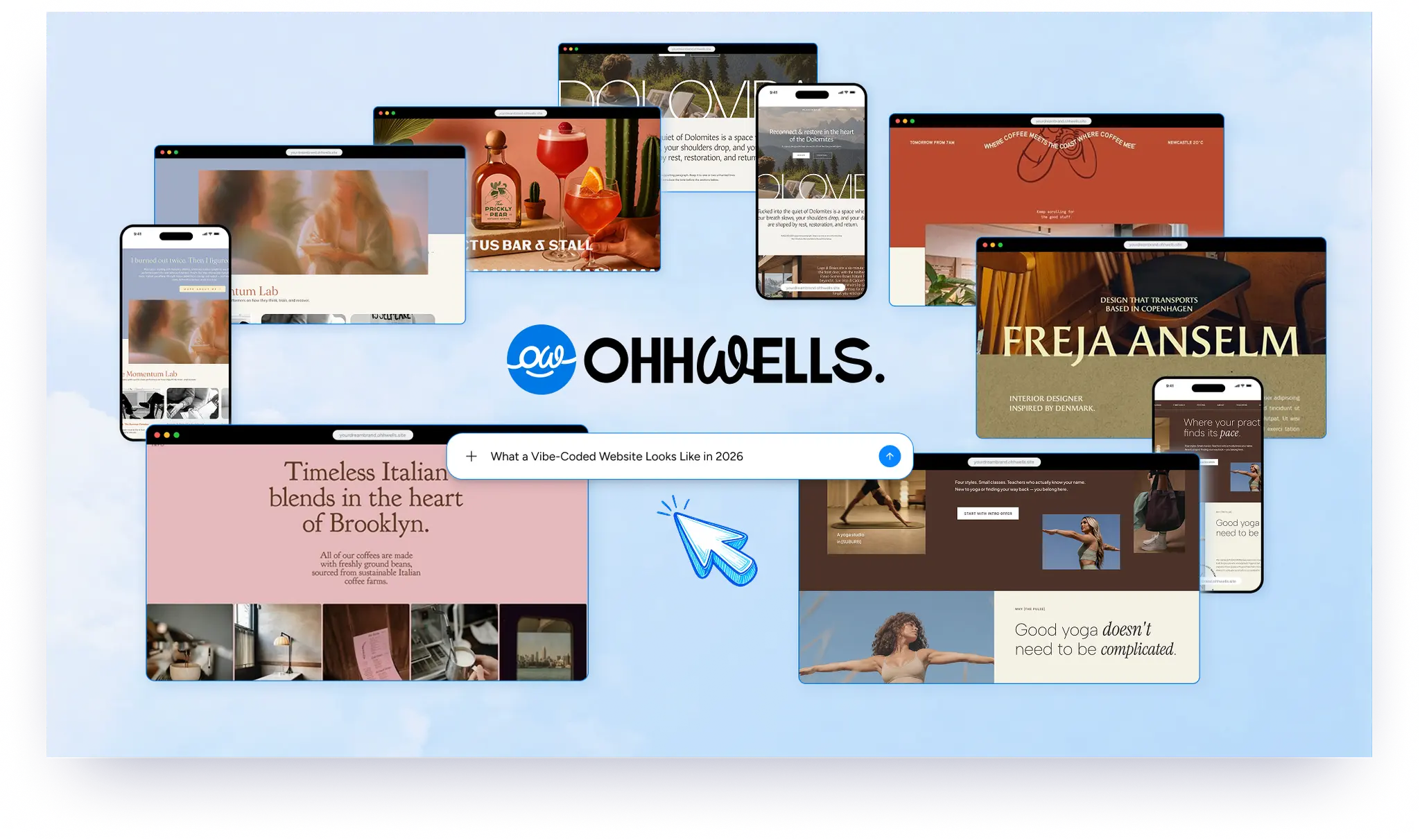
Vibe-Coded Website Examples (2026): Real Sites and the Tells That Give Them Away
Real vibe-coded websites, screenshotted and reviewed — what works, the 7 tells that give them away, and how to fix yours.